Sewerage & Drainage
Safe disposal of wastewater and rainwater according to current environmental standards. We plan and implement robust sewer systems for long-term functional safety.
Customized Drainage Concepts
We develop the appropriate drainage solution for each terrain to effectively protect buildings and areas from backflow and moisture. In doing so, we strictly adhere to municipal regulations and technical standards for legally compliant wastewater disposal.
Planning and hydraulic calculation
We first determine the necessary pipe diameters and the required slope based on the expected water volume.
Accurate planning prevents future deposits or overloading of the system during heavy rainfall.
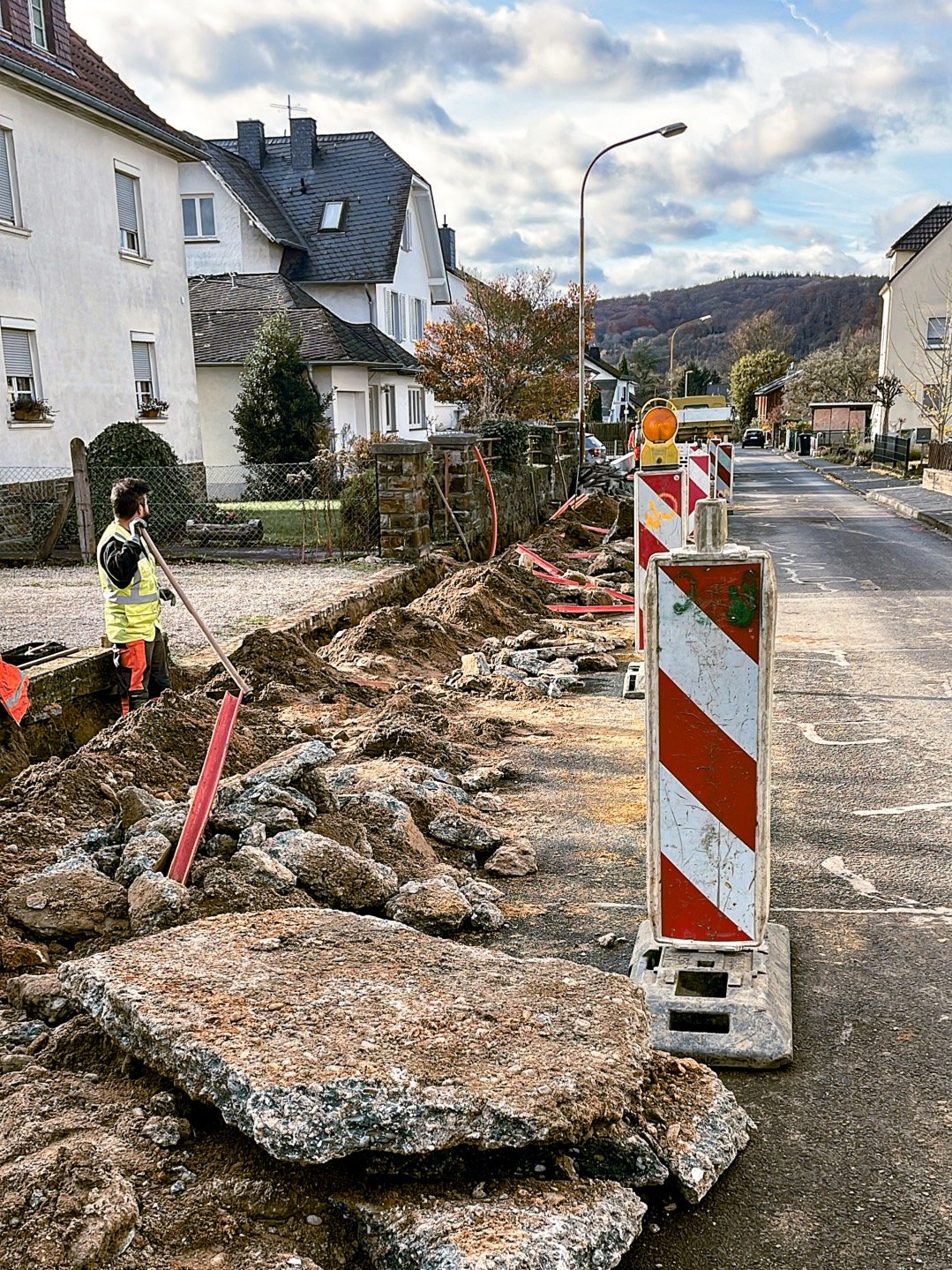
Trench excavation and bottom preparation
The trench is excavated to the exact depth, with attention to a load-bearing and stone-free trench bottom.
A uniform layer of sand serves as bedding so that the pipes lie stress-free and do not deform.
Laying and connection
We lay modern, durable pipe systems (e.g., KG2000 or concrete pipes) with laser-assisted precision.
We ensure tight connections to shafts or the existing sewer network and focus on root-resistant connections.
Backfilling and leak testing
The trench is filled and compacted in layers with suitable material.
The final step is the legally required tightness test, which documents that the system is absolutely sealed and no wastewater can seep into the groundwater.
FAQ: Frequently Asked Questions about Sewerage & Drainage
What is the difference between a separate and a combined system?
In a separate system, wastewater (from the house) and rainwater are discharged in separate pipes, relieving the sewage treatment plants.
In a combined system, both flow together. We check in advance which system is required at your location.
Why is the slope so important?
Too little slope leads to deposits and blockages due to the lack of flow velocity.
Too much slope causes the water to flow away too quickly, leaving solids behind.
We use laser technology to maintain the ideal slope (usually 1 to 2%) precisely.
How do I protect my house from backflow from the sewer?
Especially during heavy rainfall, the public sewer can overflow.
We professionally install backflow preventers or lifting systems that prevent wastewater from being pushed back into your building through lower-level drains (e.g., in the basement).
How long does a modern sewer system last?
With professional installation and the use of high-quality plastics (PP/PVC) or concrete pipes, the lifespan is 50 to 100 years.
Regular camera inspections help detect damage from tree roots or settling early.

Expertise with Responsibility
When the boss is also the construction manager.
For us, management is not just a desk job: As your personal contact, our managing director combines many years of field experience with direct responsibility as a construction manager on site. For you, this means short decision-making paths, technically sound advice without information loss, and the assurance that your project is managed with genuine craftsmanship understanding.